Unlocking the Future of Food with Sustainable Alternative Proteins
The way we produce and consume food is at a crossroads. With a global population projected to surpass 9.7 billion by 2050, the world faces a critical question: How do we sustainably feed everyone without depleting the planet’s resources? This challenge has driven the rise of alternative proteins - innovative food sources designed to reduce reliance on animal agriculture.
Unlike meat or dairy, alternative proteins come from sources like plants, fungi, and even microalgae. These solutions promise to address issues such as deforestation, greenhouse gas emissions, and water scarcity, all while ensuring food security for future generations. But the path to widespread adoption is fraught with challenges, including cost, scalability, and consumer acceptance.
To understand how we can overcome these hurdles, I spoke with Yonatan Golan, Founder and CEO of Brevel. This Israeli company is pioneering the use of microalgae as a protein source. In our conversation, we explored why alternative proteins are essential, how Brevel’s technology is breaking new ground, and what this means for the future of food.
Aron:Yonatan, let’s start with the big picture. Why are alternative proteins so critical?
Yonatan:Our food industry accounts to about a third of green house gas emissions, it requires vast amounts of land and water and floods our rivers and water bodies with chemicals and pesticides. This is simply non-practical for the long run if we want to live healthy lives on this planet. We must be able to transition to a diet which doesn’t rely so heavily on animals.
The challenge is that we humans are so used to, love and rely on meat. Dairy and eggs and plant based alternatives are ok for some, but simply not yet good enough for most consumers in terms of taste, nutritional value, texture and price. Alternative proteins from non-animal sources which can solve these challenges are a key building block in the future of our food industry if we want to enable a wide transition to a diet which is tasty, enjoyable and healthy for consumers and our planet.
Aron:What makes microalgae such a promising alternative, and how does it compare to more established options like soy and plants?
Yonatan:Microalgae have been viewed for many decades as the ultimate source of nutrition for the future of our planet - they are extremely resource efficient, grow very fast and are packed with protein, oil and valuable nutrients. Compared to beef and soy, microalgae protein reduces land use by 99% and 97%, water usage by 98% and 96% and CO2 emissions by 97% and 92% respectively. This is really how the future of our food system should and could look like.
However, unfortunately, today, microalgae are far from being able to provide a viable solution because of a significant cost and flavor challenge. This is mostly due to the way microalgae are grown and processed - and this is what we came to solve in Brevel.
Aron:Your technology combines photosynthesis and fermentation. Can you walk us through how this works and why it’s a game-changer for alternative proteins?
Yonatan:Right, so typically microalgae are either grown using sunlight in outdoor systems. This enables the production of high-value products, but results in low yields and high costs of production. The alternative is to feed microalgae sugar, similar to how you would grow yeast for beer or bacteria for pharmaceuticals (i.e. fermentation). This way microalgae can grow x100 faster and at a significant cost reduction. However, fermentation today is done in large tanks in complete darkness, and even though you can grow microalgae very effectively, they are very poor in terms of nutritional value, functionality and eventually commercial value that are dependent on the presence of light.
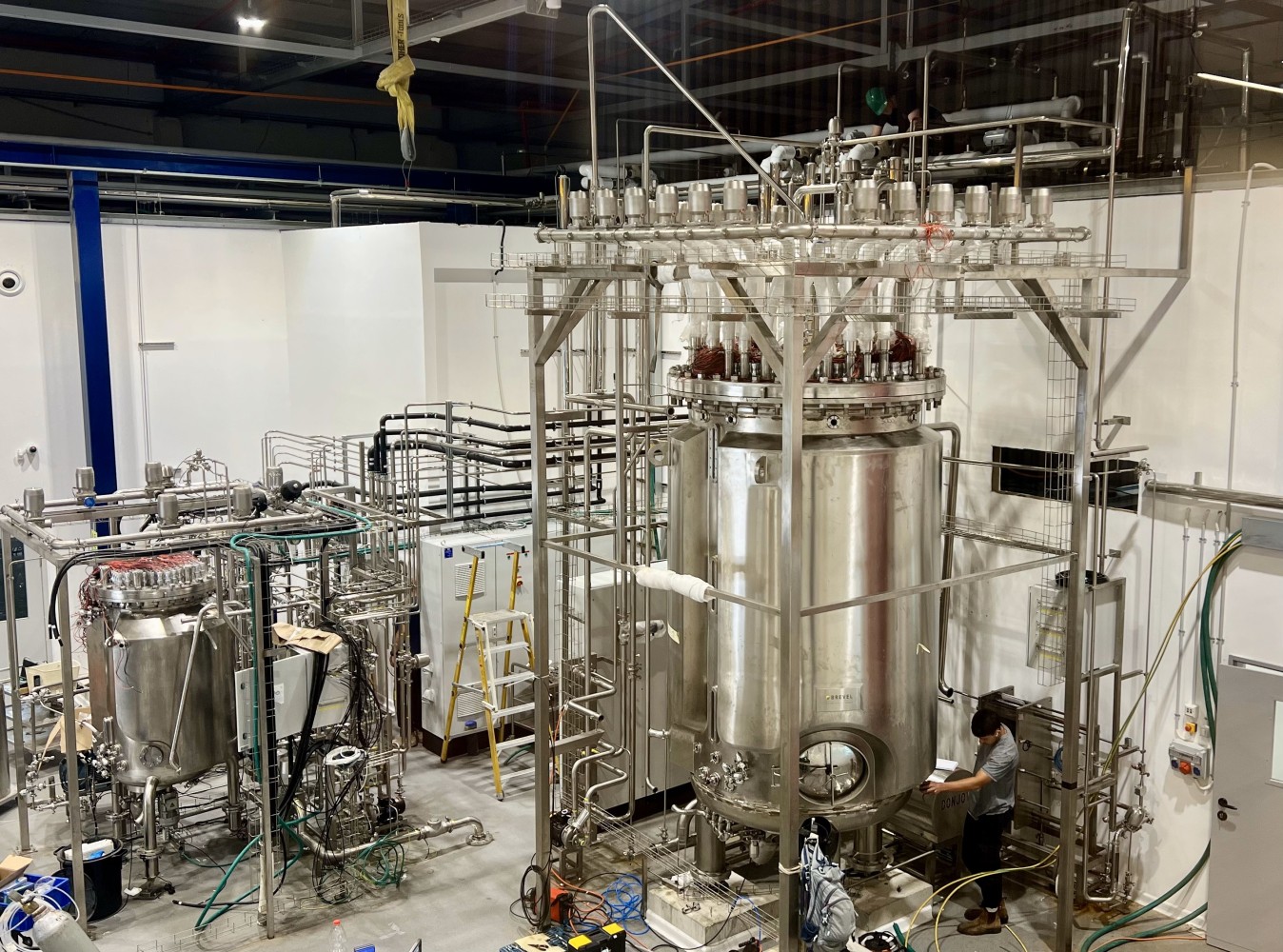
In Brevel we managed for the first time globally to combine industrial scale fermentation with a high concentration of light. We produce microalgae extremely cost-effectively that are rich with valuable protein, functional oil, nutraceuticals and a variety of products that are only produced in the presence of light. This means we can finally reach cost levels and quality that are actually relevant for the food industry and consumers.
Aron:Taste and texture can make or break consumer acceptance of alternative proteins. How does Brevel ensure that microalgae-based products meet consumer expectations, and what role does your technology play in this? Can you give examples for products that are using your proteins?
Yonatan:Correct - flavor is probably one of the biggest challenges today for alternative protein, together with cost and texture. Through a unique extraction process we are able to produce protein powder which is extremely flavor neutral with no bitterness and no off-notes with an excellent mouthfeel and high functionality. The highest bar to cross in food applications is alternative dairy products - plant based cheese and milk. This is because, unlike in meat alternatives where you can mask flavors with spices and flavoring, in plant based dairy you must use practically flavorless ingredients if you want to deliver the experience that consumers demand.
With our protein we not only manage to develop products like cream cheese which have all the creaminess, texture and flavor of the animal-based product we love, but we also match the nutritional value with a high percentage of protein and also enable a very short list of ingredients since our protein provides functionality besides nutritional value. These results are unparalleled and are exactly what the industry is looking for.
Aron:What is your vision for Brevel’s role in shaping the future of food? How do you hope the world’s food systems will evolve in the next decade?
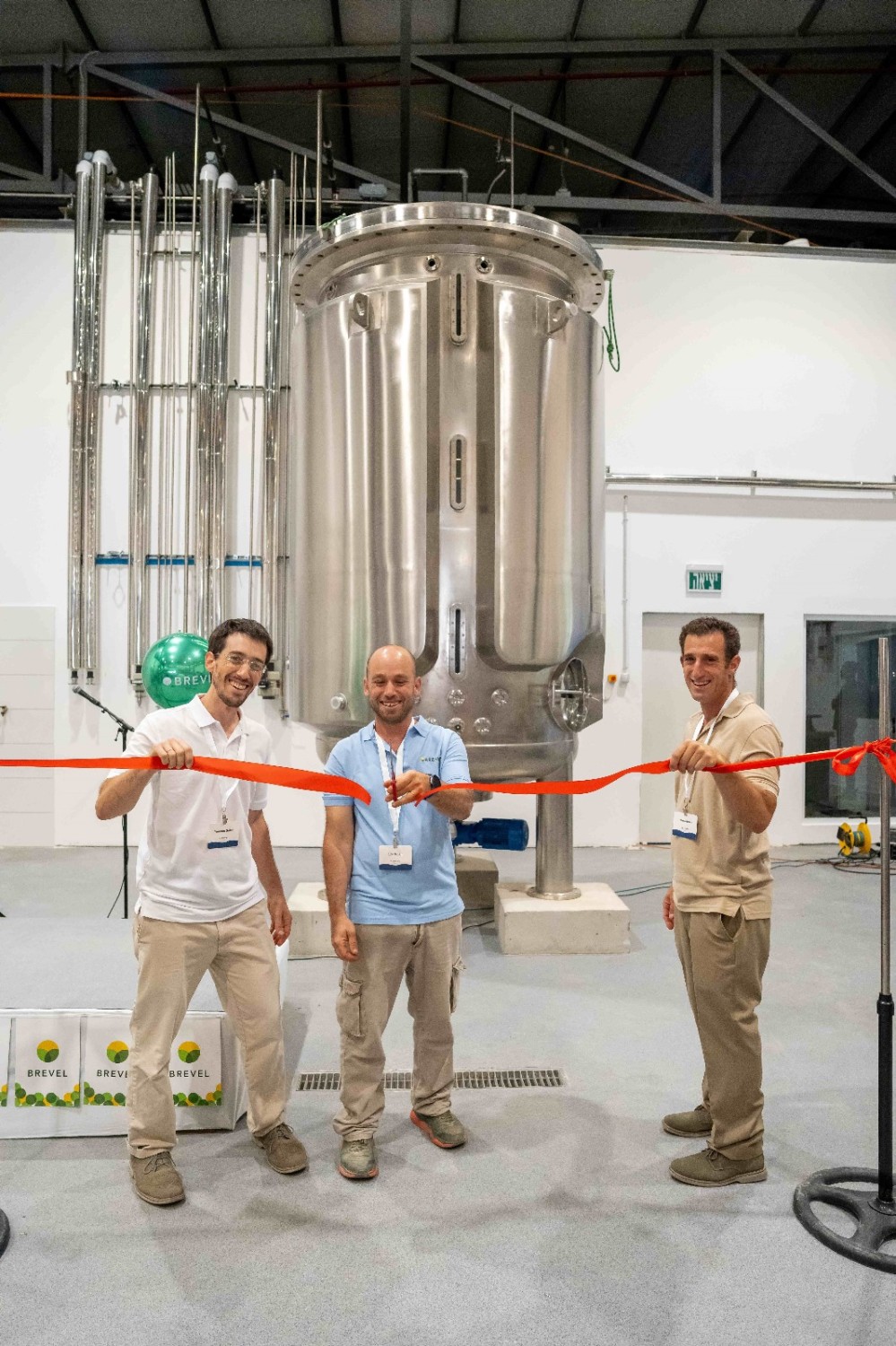
Yonatan:In Brevel we are working now together with global partners towards building large scale manufacturing facilities to produce the hundreds of thousands and millions of tons that the global food industry needs. We just completed the first commercial factory in Israel and are excited to scale further. We believe that a drastic change in the food industry is not only possible, but is inevitable and are happy and proud to be part of this shift alongside amazing other companies tackling this challenge together.
We simply have no other option.
Originally published on LinkedIn.
New podcast
The Shift on YouTube
Conversations with the people building what comes next, before the future becomes obvious. Follow the show for new episodes as they land.
The Shift, in your inbox
Occasional essays on AI, cloud, and the systems shaping what comes next. Subscribe on LinkedIn — no spam, unfollow anytime.
Keep reading
Will AI Take Your Job?
When word processors arrived, typists did not become ten times more valuable. They disappeared. The real AI risk is the same - the person who knows what needs doing skips the middle.

You Can Outpace a Ten-Person Team. Alone.
AI dissolves the bandwidth constraint that made cross-functional teams necessary. One high-context person can now run the full loop - but only if coordination becomes architecture, not meetings.
Enshittification
Google Drive will stop backing up photos to Google Photos in August. The replacement requires your browser to stay open - a quiet downgrade that shows how platforms erode trust one email at a time.