Saving Lives
Fragile. That’s what we all are, whether we admit it or not. Our lives, our health, our very existence.


Fragile. That’s what we all are, whether we admit it or not. Our lives, our health, our very existence.
 That is why this edition feels more personal than usual. When writing it I couldn’t help but think of my own family, of my friends. Of you.
Because at some point, we all become patients. And when that moment comes, in our darkest hours, there’s no price you can put on the hope of life.
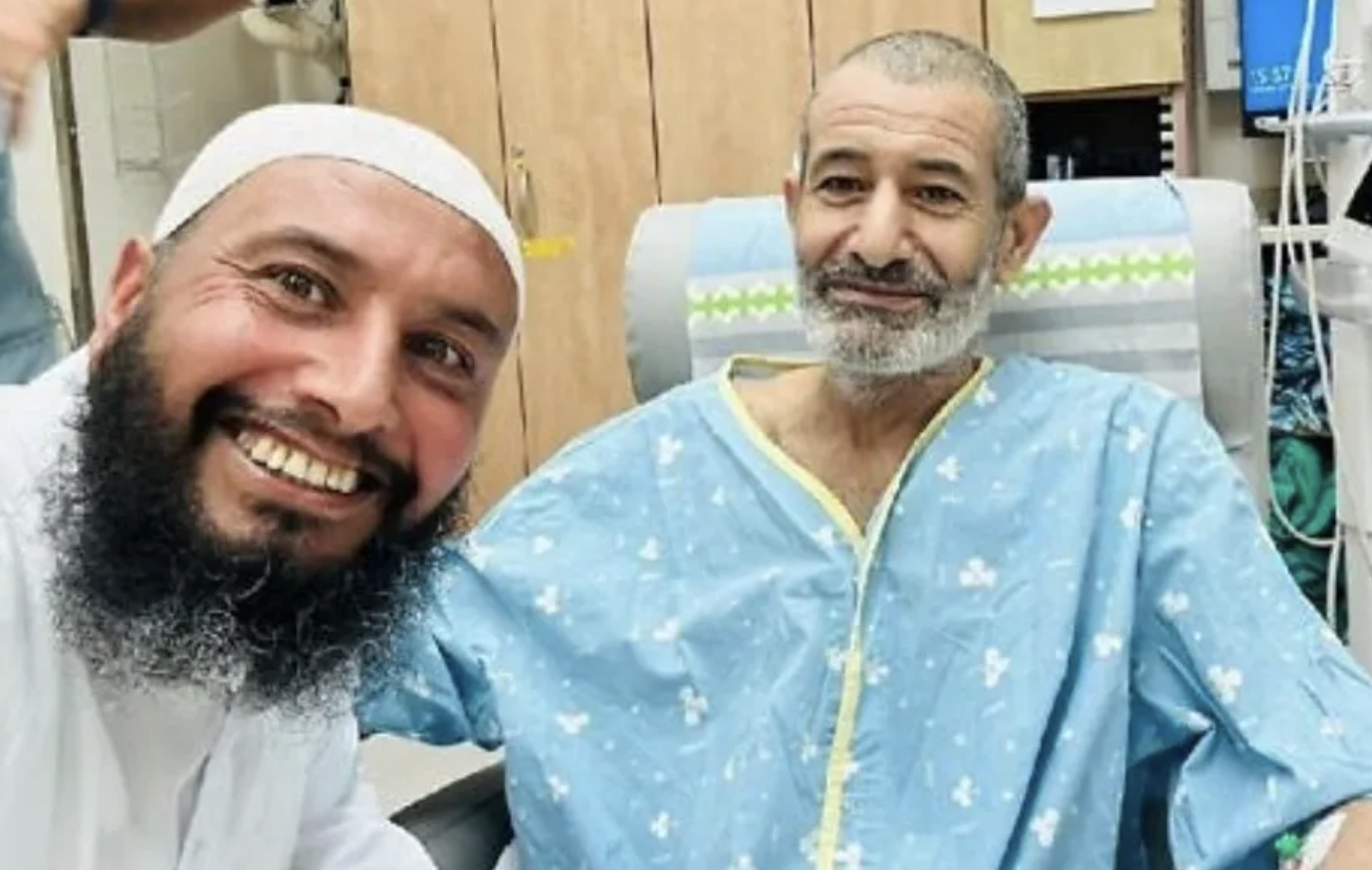
This week, that same priceless hope resonates across Israel, as we are moved by the heroic rescue of Kaid Farhan Elkadi, an Arab-Israeli man abducted by Hamas and held in horrific conditions for nearly a year. Seeing him emerge from the darkness, reunited with his family, his smile breaking through months of pain, reminds me of the preciousness of each moment of life.
AISAP - AI-Powered Cardiac Diagnostics
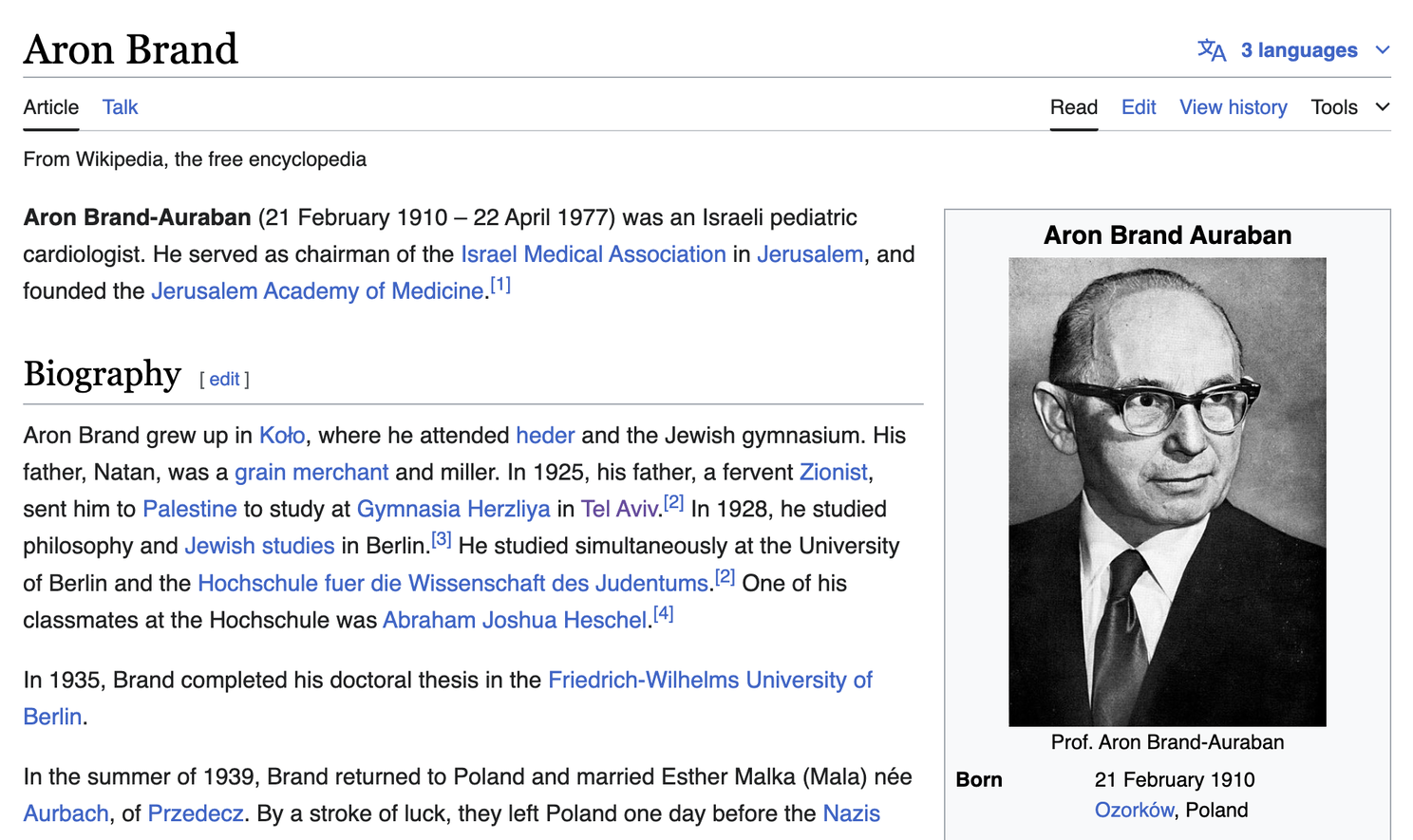
I never met my grandfather, Prof. Aron Brand-Auraban. He passed away from cardiac disease just days before I took my first breath.
As a pioneer of cardiology in Mandatory Palestine and later Israel, he was a man who devoted his life to healing hearts. He inspired countless doctors and saved countless lives.
 It’s no coincidence that we share the same name.
Yet, in a twist of fate, it was his own heart that failed him.
I’ve often wondered what he would think of the world today. In his time, the tools were basic, and the mysteries of the human heart often eluded even the most skilled physicians.
What would he say about the possibilities that AI offers as a partner in the practice of medicine? I believe he would marvel at innovations like those from AISAP , an Israeli startup that’s revolutionizing cardiac care.
Their product is doing something my grandfather could have only dreamed of: AI-assisted, accurate, and detailed cardiac diagnoses at the point of care - saving lives by catching structural heart diseases early.
The ability to analyze complex cardiac ultrasounds with the precision of an expert within minutes, and to do so consistently and accurately, is nothing short of extraordinary. This brings hope and healing to countless people who might otherwise be left waiting.
If my grandfather could see this, I think he would be both astonished. He spent his life striving to make medicine better, to push the boundaries of what was possible. And now, thanks to the brilliance and dedication of Israeli scientists, those boundaries are being pushed further than ever before.
Congratulations to the AISAP team on receiving FDA approval for their groundbreaking platform - and for their mission to advance cardiac care.
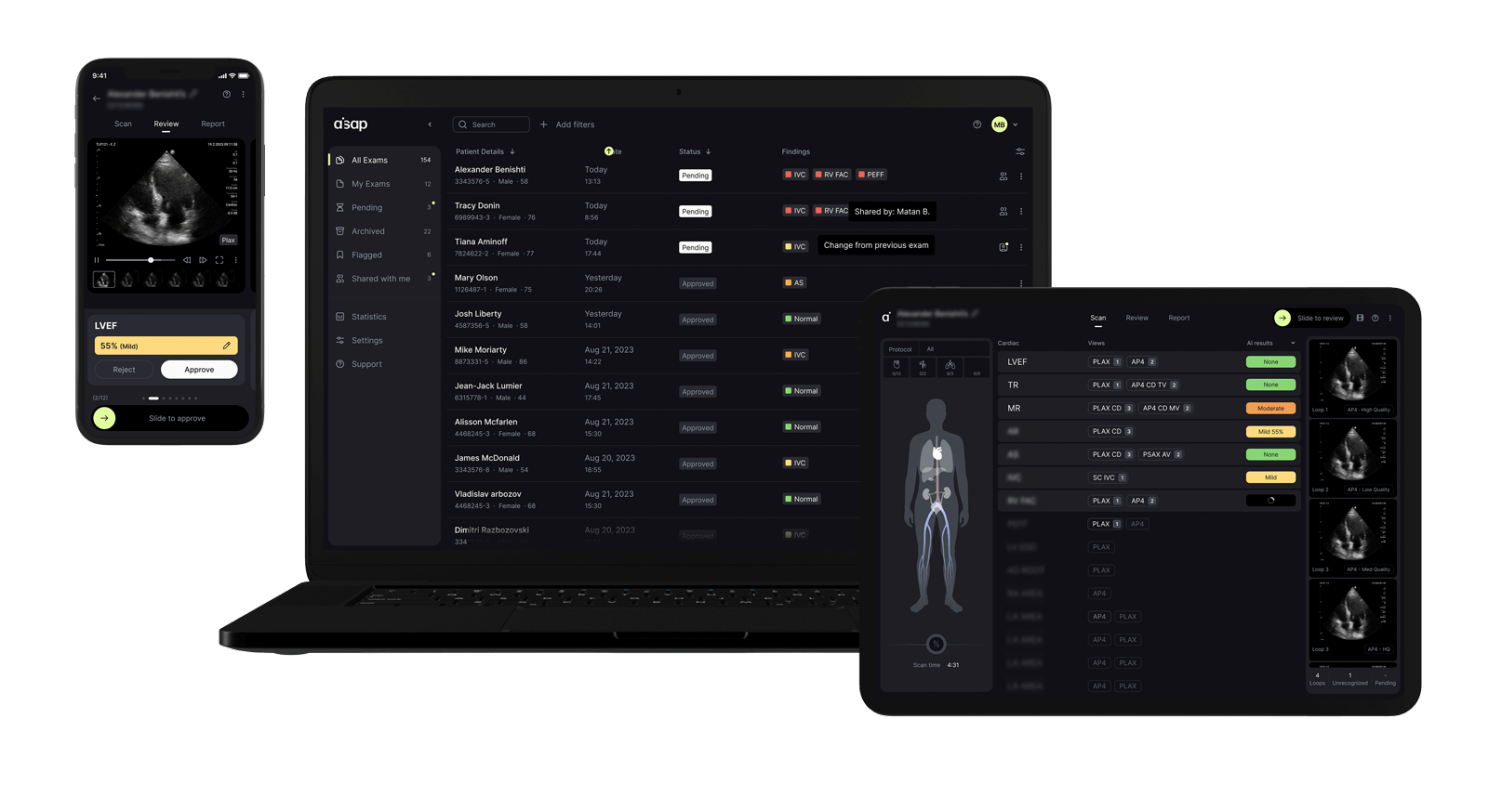 AISAP - analyzes complex cardiac ultrasounds with the precision of an expert
V-Wave - Reinventing Heart Failure Treatment
While AISAP focuses on diagnosing heart issues, V-Wave ve is revolutionizing how we treat one of the most challenging cardiac conditions: chronic heart failure.
Surprisingly, they address this condition using the same principles used by a classic car engine - and it turns out this idea is worth $1.7 billion.
Here’s how it works: they implant a shunt with a unique hourglass shape that creates a Venturi effect as blood flows from the high-pressure left atrium to the lower-pressure right atrium.
Just like a carburetor from an old Mustang accelerates airflow for efficient fuel mixing, the shunt accelerates blood flow at its narrowest point, effectively reducing pressure in the heart.
This allows for a smaller, more efficient device - which allows less invasive surgeries - and faster recoveries.
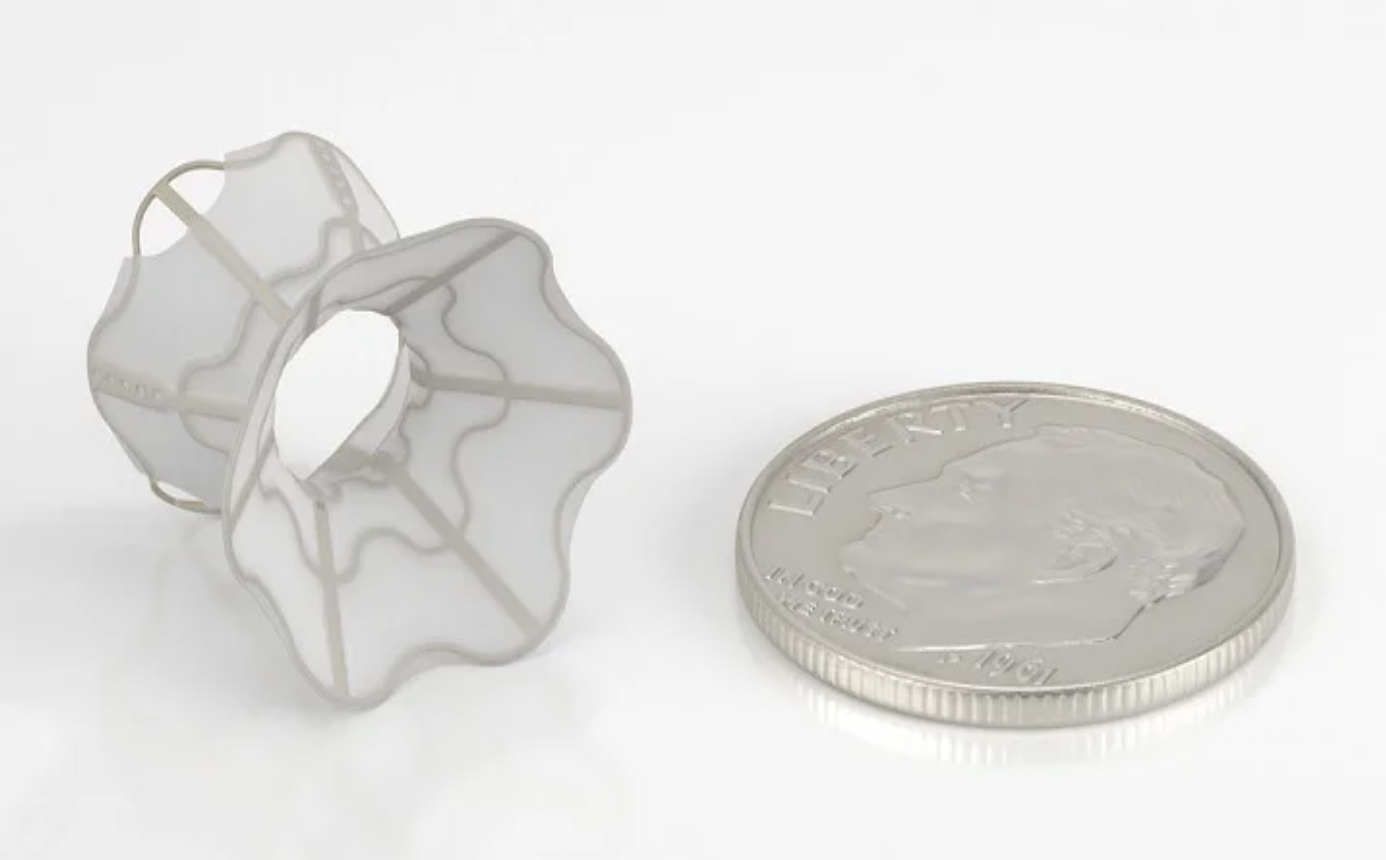 V-Wave - groundbreaking heart implant for chronic heart failure
Congratulations to V-Wave on being acquired by Johnson & Johnson for $1.7 billion, driving hope to millions of people suffering from chronic heart failure.
Immunai - Decoding the Immune System’s Secrets
What’s the scariest word to you?
For me, it’s cancer.
Hearing this word sends shivers through my spine.
We all have loved ones who’ve lost the fight against this cursed disease. Despite new technologies, treatments, and 50 years of research, cancer remains a deadly foe.
But there is hope. We’ve discovered that our immune system can fight cancer.
This system is incredibly intricate-a complex “network of networks” where immune cells interact, influencing each other’s functions, and determining disease outcomes.
Deciphering this network is daunting, but Israeli company Immunai believes deep learning is the key. They use AI to decode the immune system’s complexity. By analyzing single-cell data, they map the immune system and reveal how every cell interacts within the network and responds to threats like cancer.
This detailed mapping allows the company to predict how a patient’s immune system will react to different treatments. This leads to personalized medicine. Instead of a one-size-fits-all approach, we’ll be able to tailor therapies to each unique person, and to reprogram your immune response to disease, improving success rates and minimizing side effects.
Immunai’s work in decoding and mapping the entire immune system brings hope that one day, perhaps in our lifetime, the word “cancer” won’t be the most terrifying in our lexicon.
INSIGHTEC - Silencing Tremors with Sound
We all know someone who struggles with neurological disorders like Parkinson’s Disease or Essential Tremor. The uncontrollable shaking can steal away independence and joy, turning everyday tasks into overwhelming challenges.
But what if there was a way to bring relief without the risks of invasive surgery?
INSIGHTEC is making that possible through the power of focused ultrasound.
Their technology uses precise sound waves, guided by real-time MRI imaging, to target and treat specific areas of the brain. This allows doctors to disrupt the faulty neural circuits responsible for tremors-without a single incision.
The result? Immediate symptom relief that’s achieved with sub-millimeter accuracy, all in a single outpatient procedure. Patients can return home the same day, free from the burden of tremors that once dominated their lives.
The science behind this is fascinating. Focused ultrasound waves converge at a precise point within the brain, where they generate enough heat to disrupt the abnormal tissue causing the tremors. MRI imaging provides continuous guidance, ensuring the treatment is both safe and effective. This blend of sound and imaging represents a new frontier in non-invasive neurosurgery.
A huge congratulations to Insightec for raising $150 million in their latest funding round, adding to the $700 million they’ve raised so far.
For everyone who has witnessed the toll of neurological disorders, this is a story of hope.
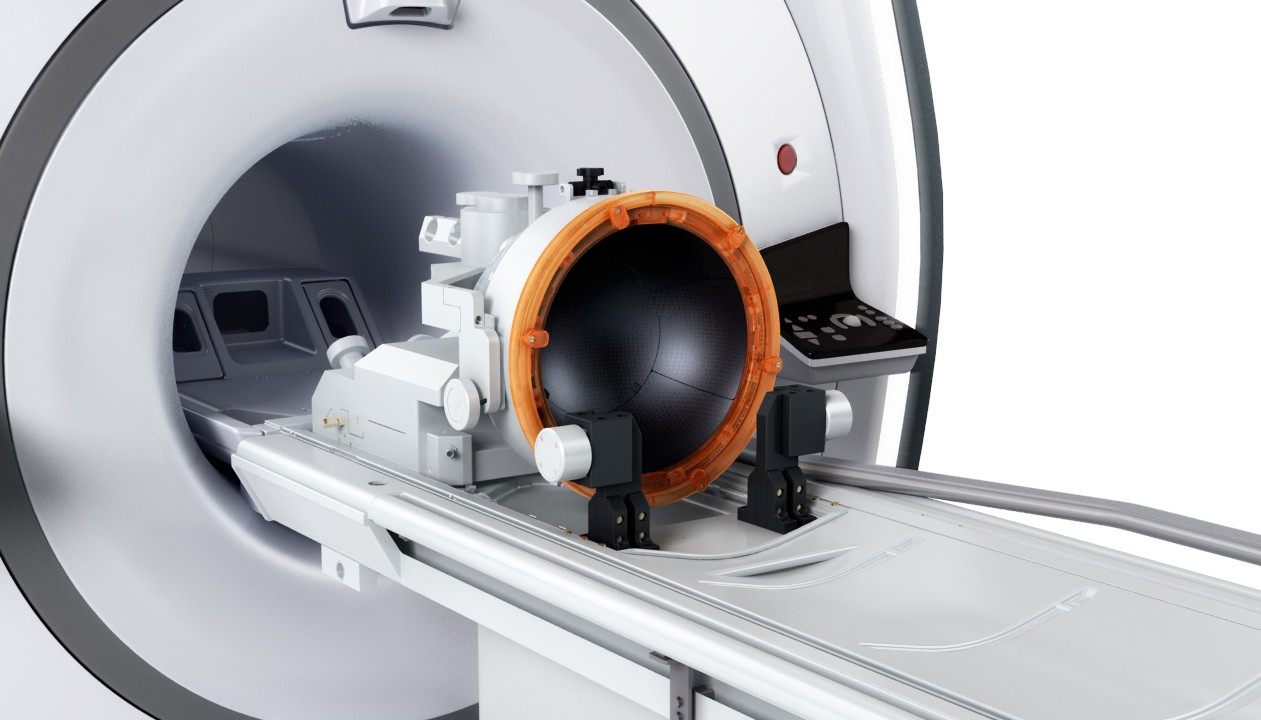 INSIGHTEC - Non-invasive brain surgery with MRI-guided focused ultrasound
The Beat Goes On
These stories are fundamental. Ground breaking.
They’re the difference between a grandfather meeting his grandchild and an empty chair. They’re tremor-free hands painting masterpieces and cancer patients embracing remission.
They’re second chances. Extended lifespans. Quality of life restored.
So the next time you hear about a medical miracle, remember - it might just have its roots in a lab in Jerusalem or a startup in Haifa, where visionaries are rewriting the boundaries of possibility.
Originally published on LinkedIn.
New podcast
The Shift on YouTube
Conversations with the people building what comes next, before the future becomes obvious. Follow the show for new episodes as they land.
The Shift, in your inbox
Occasional essays on AI, cloud, and the systems shaping what comes next. Subscribe on LinkedIn — no spam, unfollow anytime.
Keep reading
Will AI Take Your Job?
When word processors arrived, typists did not become ten times more valuable. They disappeared. The real AI risk is the same - the person who knows what needs doing skips the middle.
You Can Outpace a Ten-Person Team. Alone.
AI dissolves the bandwidth constraint that made cross-functional teams necessary. One high-context person can now run the full loop - but only if coordination becomes architecture, not meetings.
Enshittification
Google Drive will stop backing up photos to Google Photos in August. The replacement requires your browser to stay open - a quiet downgrade that shows how platforms erode trust one email at a time.