Elon Musk’s Acquisition of Twitter Is Part of a Bigger Trend
Remember this term: Algorithmic Transparency. Following Twitter's acquisition by Elon Musk, Algorithmic transparency will become the buzzword of this year.

Remember this term: Algorithmic Transparency. Following Twitter’s acquisition by Elon Musk, Algorithmic transparency will become the buzzword of this year.
There is an increasing trend of algorithms ruling our lives. They are used to make decisions for us, such as what news stories to show us on social media, what ads to show us, and even who we date and marry. As algorithms become more and more prevalent, it is important to regulate their transparency. This means that we need to know how they work and what factors they consider when making decisions. Otherwise, we may be unfairly biased or even discriminated against by these algorithms.
Musk says that he is acquiring Twitter, citing a need for transparency and what he calls an unfair restrictions on free speech. In order to solve these problems and to increase trust in the platform he is proposing open sourcing the Twitter algorithm, which means that the algorithms and AI models that control what content people see in their Twitter feeds would be available for anyone to inspect, understand and change.
There are many benefits to society that would come from open sourcing the Twitter algorithm. For one, it would allow for much greater scrutiny of how the platform is run and how it shapes our public square. This would lead to a better understanding of how Twitter influences the way we think and communicate, and could potentially lead to improvements in the platform.
Open sourcing the algorithm could also possibly lead to increased government regulation of algorithms, which would protect users from being manipulated by powerful interests.
Overall, open sourcing the Twitter algorithm, and those of other tech companies that influence what we know and do, would benefit society by increasing transparency and accountability, and potentially leading to a better platform for everyone.
I am certain that additional platforms would follow the footsteps of Twitter if it were to open source its algorithm, and that consumers would increasingly demand transparency from the companies that control the algorithms that shape our lives.
So - remember this term: Algorithmic Transparency. You are going to be hearing a lot more about it in the coming years.
Edit: I’ve been asked if there are disadvantages to algorithmic transparency?
This is a good question, as too much transparency can backfire.
First and foremost, opening the algorithm can allow advanced actors to game the algorithm in order to produce more favorable results for themselves.
Twitter should therefore be judicious in how much transparency it provides into its algorithm. It should provide enough information to allow users to understand how the algorithm works and how it affects their experience on the platform, but it should not provide so much information that it can be abused.
On the other hand, the existing algorithm can, and is, also reverse engineered by advanced users, so providing more information may not make much of a difference, rather it may have an effect of leveling the playing field.
Another challenge in the quest toward algorithmic transparency is that algorithms are an important form of intellectual property, and revealing them may have serious business implications - especially to younger companies that are not protected by the network effect of a huge existing user base. Some people have proposed a way to solve this problem by having the source code for the algorithms revealed to regulators or independent auditors who would check to make sure that the process is fair - rather than completely open sourcing the algorithm.
Originally published on LinkedIn.
New podcast
The Shift on YouTube
Conversations with the people building what comes next, before the future becomes obvious. Follow the show for new episodes as they land.
The Shift, in your inbox
Occasional essays on AI, cloud, and the systems shaping what comes next. Subscribe on LinkedIn — no spam, unfollow anytime.
Keep reading
Will AI Take Your Job?
When word processors arrived, typists did not become ten times more valuable. They disappeared. The real AI risk is the same - the person who knows what needs doing skips the middle.

You Can Outpace a Ten-Person Team. Alone.
AI dissolves the bandwidth constraint that made cross-functional teams necessary. One high-context person can now run the full loop - but only if coordination becomes architecture, not meetings.
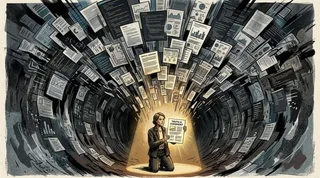
Enshittification
Google Drive will stop backing up photos to Google Photos in August. The replacement requires your browser to stay open - a quiet downgrade that shows how platforms erode trust one email at a time.