Weekly Innovations from ISRAEL #19: Bridging Communication Gaps
Communication is an unsung hero. This week, we're exploring how visionary companies are bridging communication gaps - in business processes, on construction…

Communication is an unsung hero. This week, we’re exploring how visionary companies are bridging communication gaps - in business processes, on construction sites, and even in everyday conversations.
But before we embark on this journey, I have a confession to make. I’ve always used this newsletter to spotlight other Israeli companies, carefully avoiding any mention of my own venture, CTERA . However, yesterday was an incredibly special day that I simply can’t keep to myself.
It’s personal.
Our very own CTERA (www.ctera.com), a leading company in hybrid-cloud file storage, just secured an $80 million investment from PSG Equity, a top global equity firm. This vote of confidence in our vision and our team’s ability to execute feels particularly rewarding.
In a year that hasn’t been easy for Israel (to say the least), this achievement showcases the resilience and innovation that defines our tech ecosystem.
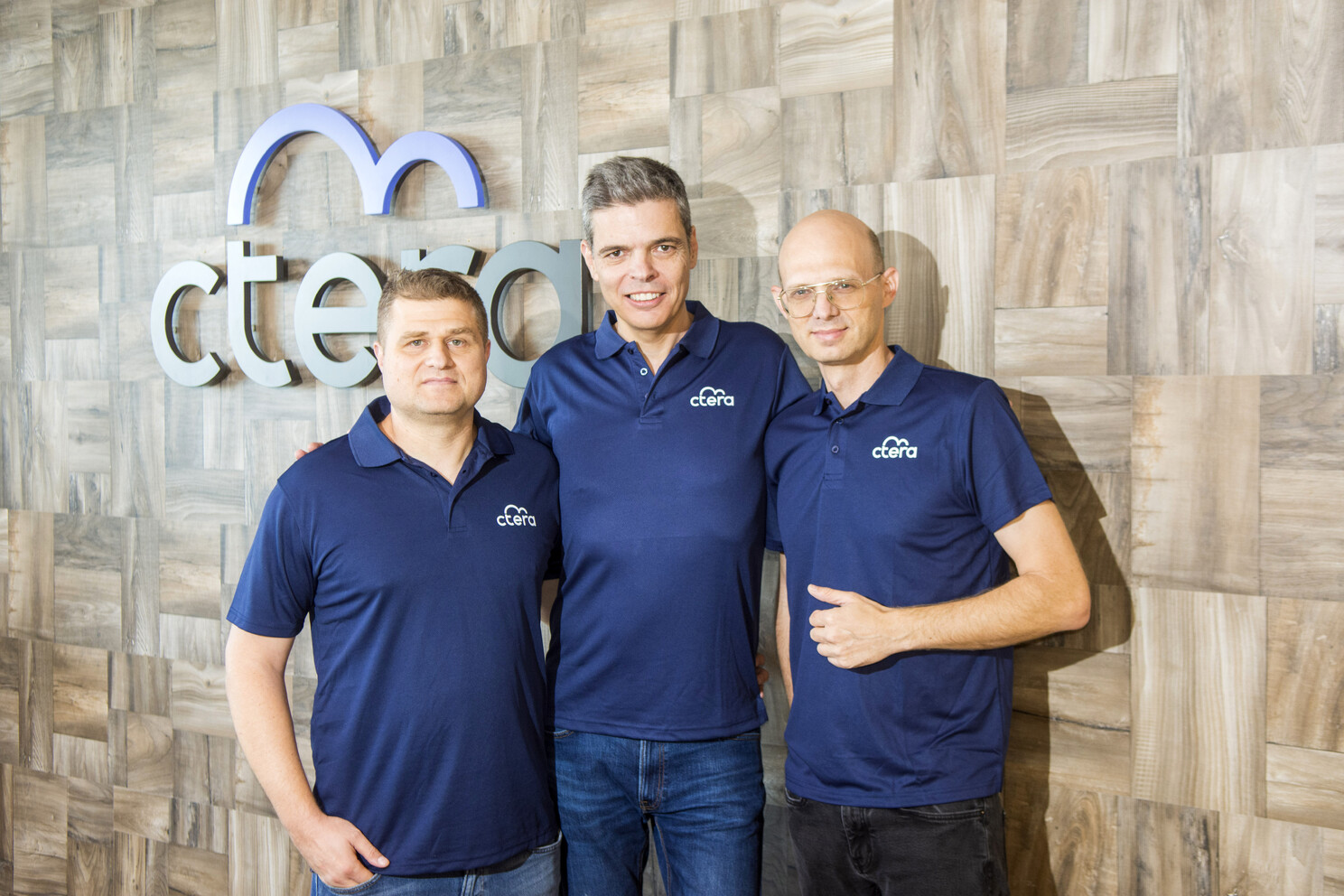
Oded Nagel (CEO), Liran Eshel (Chairman of Board) and yours truly (CTO)
But enough about my own endeavors - let’s dive back into the amazing innovations reshaping our world, one breakthrough at a time - and let’s start with Provengo .
Provengo - Aligning Software with Business Needs
As a CTO of CTERA, my job is often bridging the communication gap between business, developers, and product teams.
This is because the most difficult aspect is not writing code or implementing new features, but clear communication and precise execution .
That’s why I find the idea behind Provengo so interesting: It ensures that software products are 100% aligned with business requirements.
But how?
The company tackles the core pain points that plague many development projects. It bridges the gap between business, developers, and QA teams by converting requirements into active, executable workflows.
This ensures that the requirements are verified, mapped against business rules and regulation, and everyone is on the same page.
Traditional development methods often result in high maintenance overhead . Not with Provengo: it automates how all elements of the system are aligned and maintained, significantly reducing the need for manual rework and keeps documentation relevant and up-to-date.
Perhaps most importantly, quality is built into the process from the start. Its ability to align requirements to workflows to test plans, means that the intent of the system is thoroughly validated, and understood, leading to higher product quality, faster and cheaper.
This innovative technology, based on research from Ben-Gurion University of the Negev, empowers software teams to focus on innovation and creativity, knowing that the underlying processes are robust and efficient.
Buildots - Revolutionizing Construction with AI
While Provengo bridges gaps in software development, Buildots is tackling a different kind of communication challenge - one that exists on construction sites worldwide.
When I bought a new home, I remember the countless days spent at the worksite, level and tape measure in hand, meticulously checking that the walls were straight and in the right place. The number of mistakes was staggering, and each error meant more delays and higher costs.
This experience made me realize just how badly the construction industry needed a digital revolution to bring it into the 21st century.
Enter Buildots, a pioneering force that is transforming the way we build!
Traditional methods often rely on subjective reports and outdated tracking, leaving project managers in the dark and grappling with unforeseen issues. But Buildots is changing the game.
Their AI-driven platform offers a performance-driven approach that measures individual tasks with precision, significantly increasing efficiency and reducing costs. By utilizing objective site data instead of subjective self-reporting, Buildots automates progress tracking, cutting delays by up to 50%.
Think about it: every task is monitored in real-time, risks are anticipated before they escalate, and decision-makers have all the data they need at their fingertips.
I’d like to congratulate Buildots and its co-founders Roy Danon, Aviv Leibovici, and Yakir Sudry for securing $15 million in funding, led by Intel Capital pital!
Maybe, the next home I buy won’t require my tape measure at all, thanks to Buildots bringing construction into the 21st century with precision and efficiency.
Nagish - Breaking Down Barriers for the Hearing Impaired
While Buildots connects stakeholders on construction sites, Nagish is bridging an even more fundamental gap - the one between spoken and silent worlds.
I think most would agree that communication is a fundamental human right.
Yet, over a billion people face the challenge of hearing loss, making everyday interactions a significant hurdle.
The deaf community often relies on intermediaries to translate spoken language, a process that can be cumbersome and impersonal.
Enter Rylo , an Israeli startup revolutionizing accessibility for those with hearing impairments with real-time AI-based transcription.
Nagish, meaning ‘accessible’ in Hebrew, has just raised $11 million in a Series A funding round to break down communication barriers.
Tomer Aharoni and Alon Ezer, co-founders of Nagish, have turned a personal project into a symbol of hope for many, and their recent inclusion as an authorized provider by the U.S. Federal Communications Commission demonstrates its impact: By offering automatic simultaneous translation services, Nagish opens doors for employment and social integration for the deaf community.
Nagish exemplifies the power of Israeli innovation to create a more inclusive world. Their commitment to accessibility ensures that hearing loss is no longer a barrier to meaningful communication.
The Art of Connection
As we reflect on this week’s innovations, a profound truth emerges: at the core of human progress lies our ability to communicate and understand one another. Whether it’s in the intricacies of software development, the organized chaos of a construction site, or the silent world of those with hearing impairments, these Israeli innovators are tackling a fundamental human need - the need to be heard and understood.
These innovations teach us that true communication goes beyond mere exchange of information. It’s about creating bridges of understanding, whether those bridges span departments in a company, trades on a construction site, or the divide between spoken and signed languages.
As we close this edition, I’m struck by how these technologies, born in the crucible of Israeli innovation, are reshaping the very fabric of human interaction.
In a world that often feels divided, these stories offer hope. They show us that with creativity, determination, and a deep commitment to human connection, we can build bridges where others see only chasms.
Originally published on LinkedIn.
New podcast
The Shift on YouTube
Conversations with the people building what comes next, before the future becomes obvious. Follow the show for new episodes as they land.
The Shift, in your inbox
Occasional essays on AI, cloud, and the systems shaping what comes next. Subscribe on LinkedIn — no spam, unfollow anytime.
Keep reading
Quantum Computing, Simplified
A Conversation with Dr. Yehuda Naveh, Co-founder and CTO of Classiq

Beyond Nvidia? The Future of AI Acceleration
For years, Nvidia has been the undisputed king of AI chips, soaring to a $3 trillion valuation and becoming synonymous with machine learning, data…
Beyond Flash: The Future of Non-Volatile Memory
A Conversation with Coby Hanoch, CEO of Weebit Nano