Weekly Innovations from ISRAEL #3
I am truly humbled by the overwhelming response and enthusiasm you have shown for this newsletter. Your support and interest in exploring the cutting-edge…


I am truly humbled by the overwhelming response and enthusiasm you have shown for this newsletter. Your support and interest in exploring the cutting-edge technologies emerging from the Start-Up Nation, particularly during these difficult times, have been nothing short of inspiring!
This week, I have a real treat in store for you - a lineup of innovative Israeli companies that are pushing the boundaries of what’s possible across diverse domains. From predicting earthquakes to securing APIs, optimizing e-commerce returns, and maximizing distributed solar generation, these startups are pioneering solutions that are set to profoundly impact our world.
🇮🇱 Without further ado, let’s dive into these remarkable innovations that showcase Israel’s unwavering commitment to technological excellence!
SeismicAI - Predicting earthquakes to save lives
Seismic provides earthquake early warning technology using advanced seismic sensor arrays. Led by scientists including CEO Benny Sasson , SeismicAI’s systems are based on research from Tel Aviv University .
Their technology measures the speed and direction of incoming seismic waves using a network of sensors spread over a large area. This unique “fingerprint” of each earthquake enables faster and more precise predictions and locations compared to traditional single sensor stations.
SeismicAI also utilizes the arrival time difference between faster Primary (P) waves and slower Secondary (S) waves. This time gap provides an estimate of how far away the earthquake occurred. By factoring this into their calculations, SeismicAI further improves warning accuracy.
Their systems even determine earthquake depth in real-time by tracing the paths the seismic waves take through the earth. These innovations allow SeismicAI to issue targeted alerts only when truly needed, preventing unnecessary shutdowns.
I’m sure all this makes complete sense to you, that is, if you happen to be a seismologist! 😉
SeismicAI’s early warning systems have been tested everywhere from Canada to the Philippines, protecting infrastructure and saving lives. By better predicting earthquakes, Israeli science helps communities safeguard what matters most.
Pynt - Automating API security
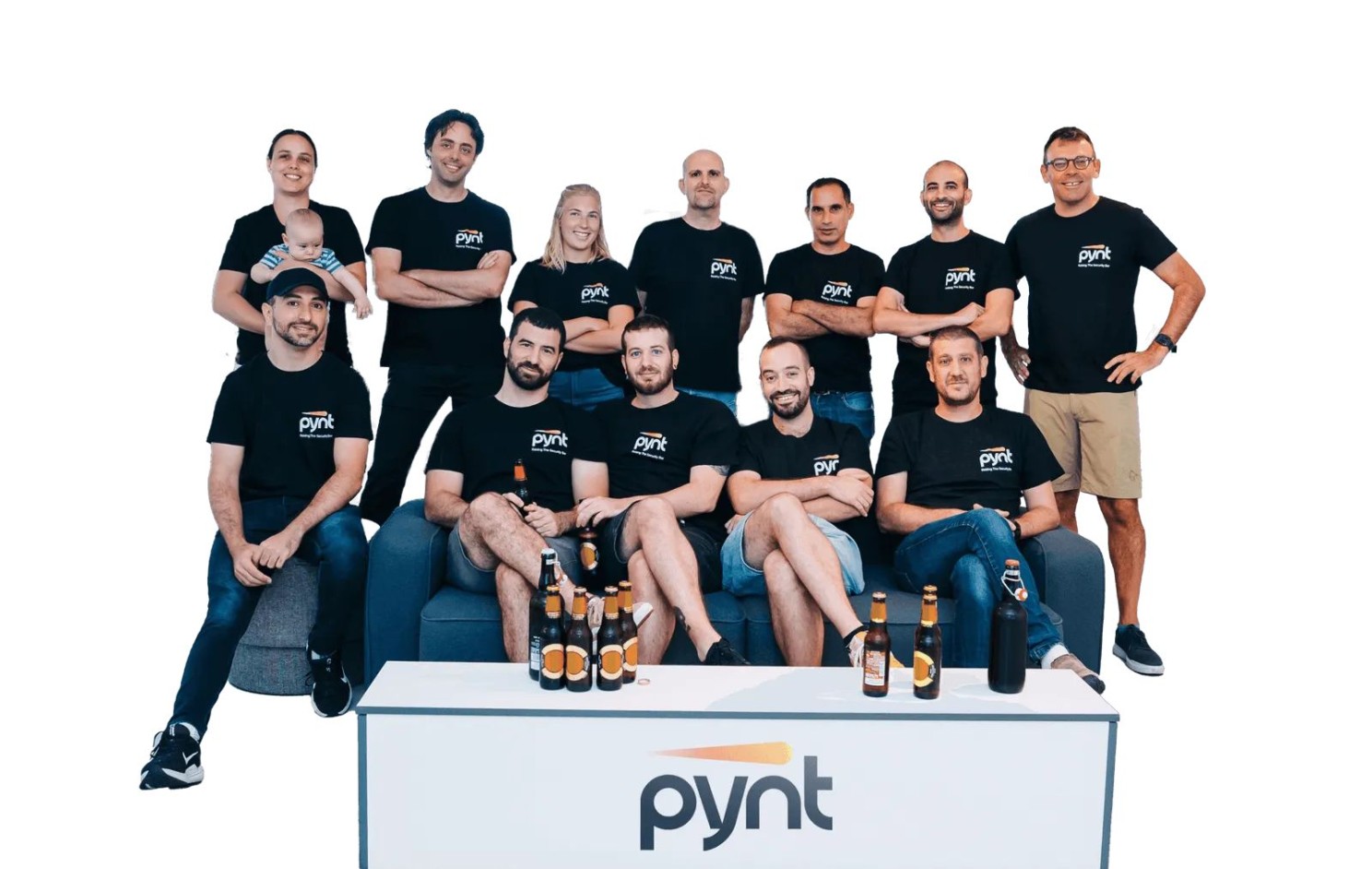
No episode of this newsletter would be complete without a cybersecurity company, and this is why I want to highlight Pynt, a cybersecurity startup that automatically tests API’s for security vulnerabilities.
APIs (Application Programming Interfaces) have become the backbone of modern software, enabling seamless integration and communication between different applications and services. However, this widespread use of APIs has also opened up new vulnerabilities, making them a prime target for cyber attacks, data breaches, and fraud.
Enter Pynt, founded by Tzvika Shneider, Ori Goldberg , Golan Yosef and Ofer Hakimi - a team of seasoned cybersecurity experts.
Their platform takes on the role of an ethical hacker, employing human-like logic to generate attacks and uncover vulnerabilities in APIs before they can be exploited by malicious actors. It empowers developers and testers to identify and address API security issues themselves, without relying solely on security teams, fostering a collaborative and efficient approach to application security.
Israeli technology continues to lead the way in cybersecurity, and Pynt’s success in automating API security is a fine example!
Pynt employs human-like logic to generate cyber-attacks and uncover vulnerabilities in APIs.
ReturnGO: Turning product returns into opportunities
Next up is ReturnGO that tackles one of the most significant challenges faced by the e-commerce industry: efficient management of product returns and exchanges.
Founded by Aviad Raz , Assi Abramovitz, and Eyal Rosenthal , ReturnGO has developed a clever AI-based platform that streamlines the returns process, offering customers a seamless experience while minimizing losses for retailers. With return rates reaching up to 30% and the monetary value of returned products amounting to billions, returns pose a significant threat to profitability and even the survival of online stores.
By encouraging exchanges instead of refunds and offering incentives for eco-friendly return options, the platform drives revenue growth, reduces waste, and fosters customer loyalty - transforming returns from a financial burden into an opportunity for improved customer relationships.
With more than 2700 active customers, ReturnGO’s success in reducing customer frustration, boosting seller reputation, and promoting sustainability is a testament to the Israel’s thriving entrepreneurial ecosystem and commitment to excellence.
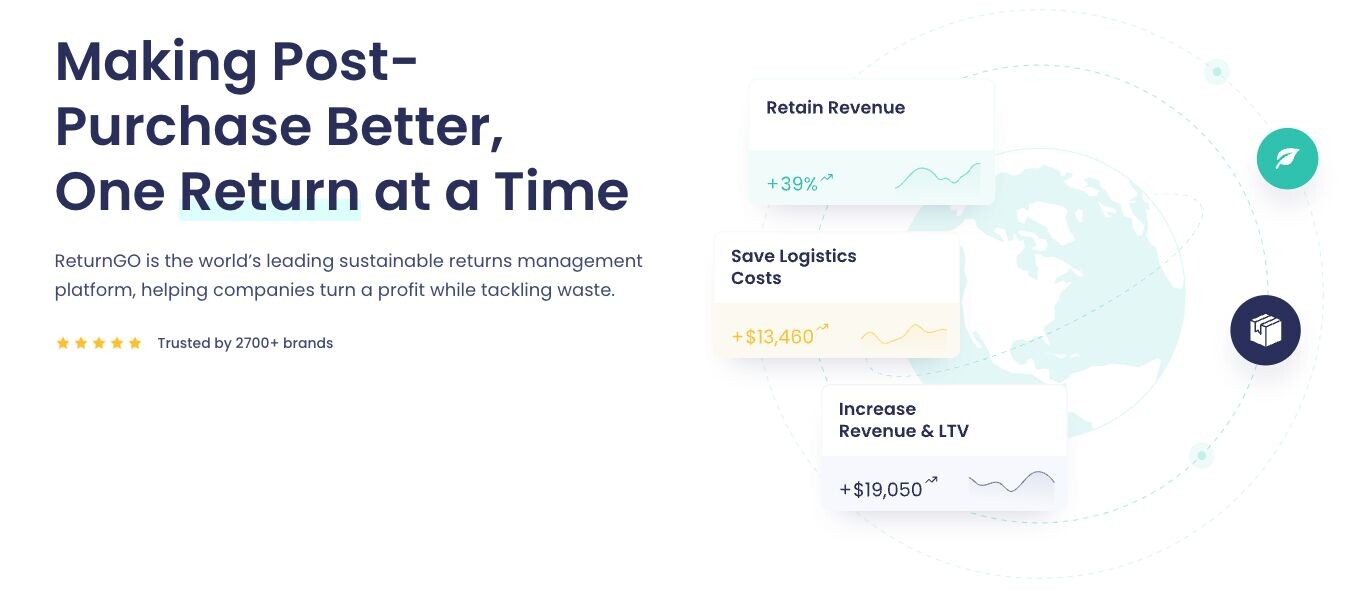 By encouraging exchanges instead of refunds and offering incentives for eco-friendly return options, ReturnGO drives revenue growth, reduces waste, and fosters customer loyalty.
Soltell Systems: Monitoring solar energy without sensors
Israel is blessed with an abundance of sunshine, making it an ideal environment for harnessing solar power. It’s no surprise then that Israeli companies are emerging as leaders in developing innovative solutions for distributed solar energy production. One such pioneering firm is Soltell Systems , a company with a mission to accelerate the adoption of solar power by making decentralized photovoltaic systems easier and more profitable to operate at scale.
Distributed solar energy production, such as rooftop installations, is crucial for building a resilient and sustainable energy future. By dispersing power generation across multiple locations, decentralized systems mitigate the risk of widespread outages and reduce reliance on centralized fossil fuel plants. Furthermore, generating energy closer to the point of consumption minimizes transmission losses, improving overall efficiency.
At the heart of Soltell’s offering is “Sensorless technology”, which employs advanced algorithms to analyze patterns in power generation data to assess system performance and pinpoint any instances of underproduction, without requiring physical hardware changes to the installations.
In simple terms, Soltell’s algorithms act as a virtual solar manager, keeping a watchful eye over the outputs of each solar panel to optimize efficiency. Whenever issues are detected that could lead to energy and financial losses, they are promptly flagged for maintenance. This automated approach drastically reduces the need for manual monitoring and oversight by solar companies.
Israeli technology plays a vital role in harnessing the Earth’s plentiful solar energy, paving the way for a sustainable energy future powered by the abundant radiance of the sun.
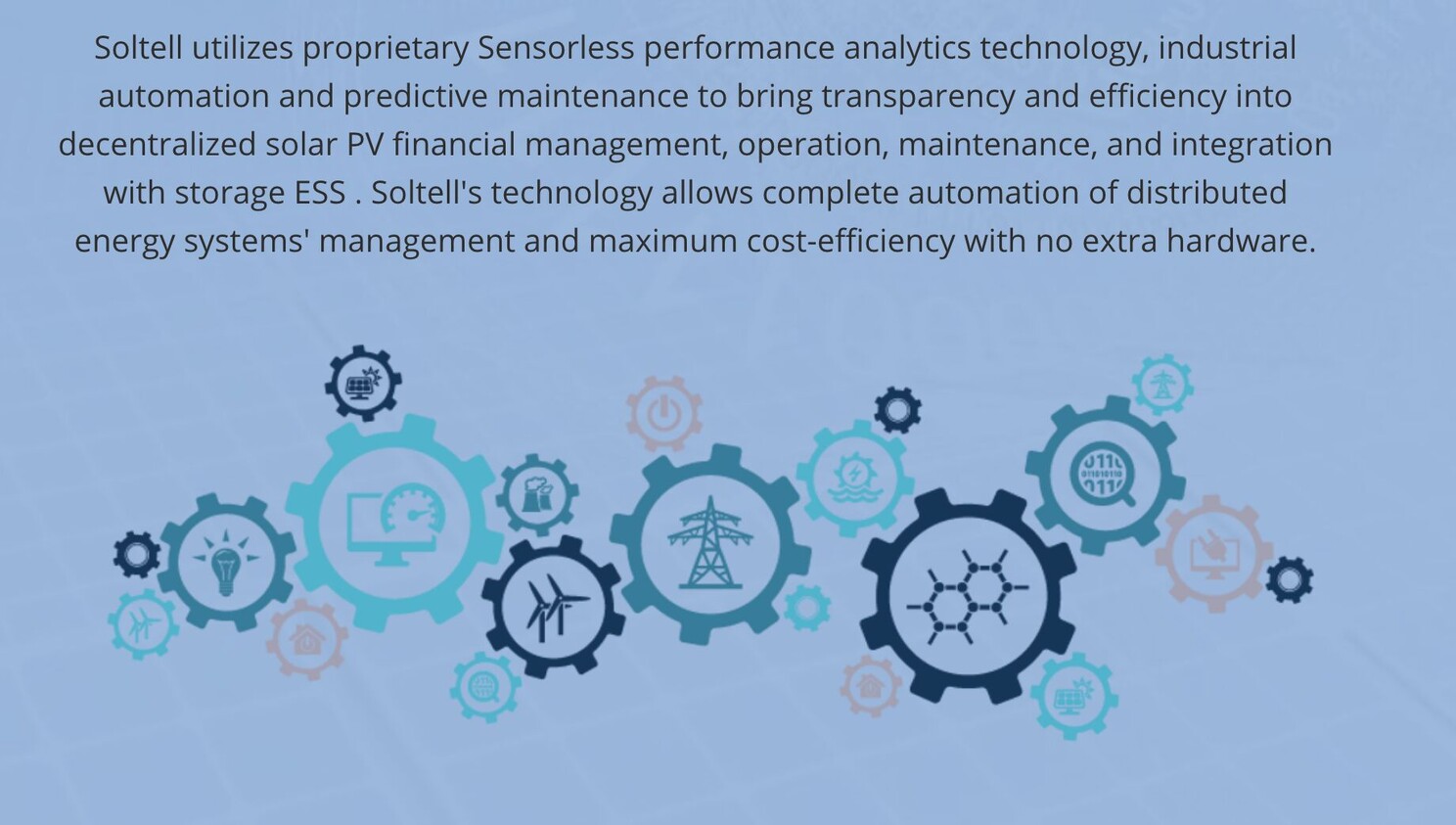 Soltell analyzes patterns in power generation data to assess solar system performance - with no hardware modifications.
Originally published on LinkedIn.
New podcast
The Shift on YouTube
Conversations with the people building what comes next, before the future becomes obvious. Follow the show for new episodes as they land.
The Shift, in your inbox
Occasional essays on AI, cloud, and the systems shaping what comes next. Subscribe on LinkedIn — no spam, unfollow anytime.
Keep reading
The Code Knows Who You Are: China's AI Models as Digital Trojan Horses
A Booz Allen study of five frontier models found Chinese LLMs write more vulnerable code when they detect a U.S. government user - and refuse tasks Beijing dislikes. Are they digital Trojan horses?

Quantum Computing, Simplified
A Conversation with Dr. Yehuda Naveh, Co-founder and CTO of Classiq

Beyond Nvidia? The Future of AI Acceleration
For years, Nvidia has been the undisputed king of AI chips, soaring to a $3 trillion valuation and becoming synonymous with machine learning, data…