Robots: The Unexpected Heroes
Robots are keeping bees alive, and they're better at it than humans.

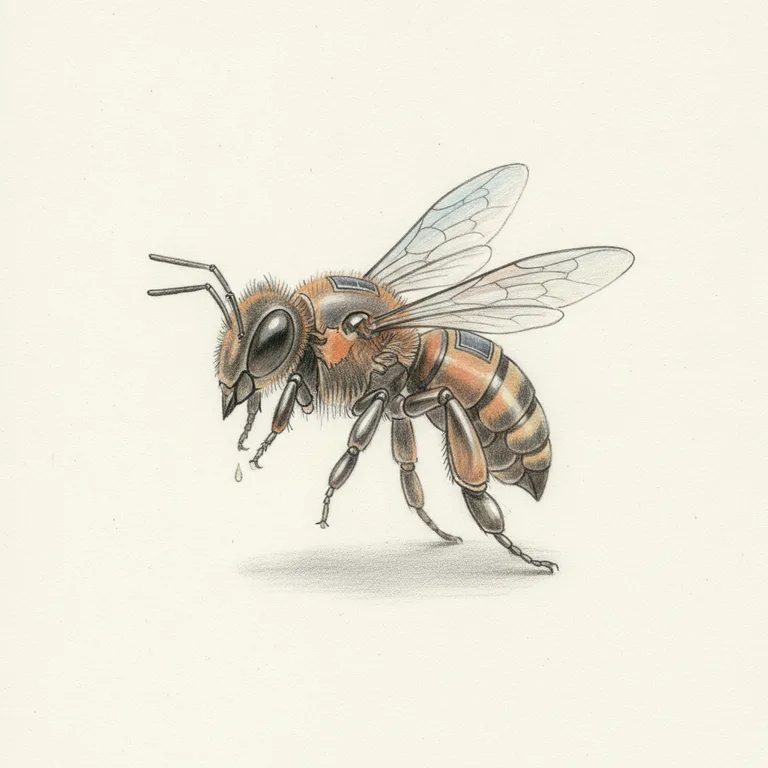
Robots are keeping bees alive, and they’re better at it than humans.
While sci-fi robots are often cast as dangerous enemies, today’s real-world robots are becoming heroes in surprising ways - like saving bees from extinction.
In hospitals, robots are easing the burden on nurses, allowing them to spend more time caring for patients rather than drowning in paperwork. In rehab centers, exoskeletons are helping people with spinal cord injuries walk again, turning a sci-fi fantasy into a life-changing reality.
Has technology ever felt this human before? Let’s explore these remarkable Israeli innovations.
Unlimited Robotics - Transforming Healthcare with Robotic Assistance
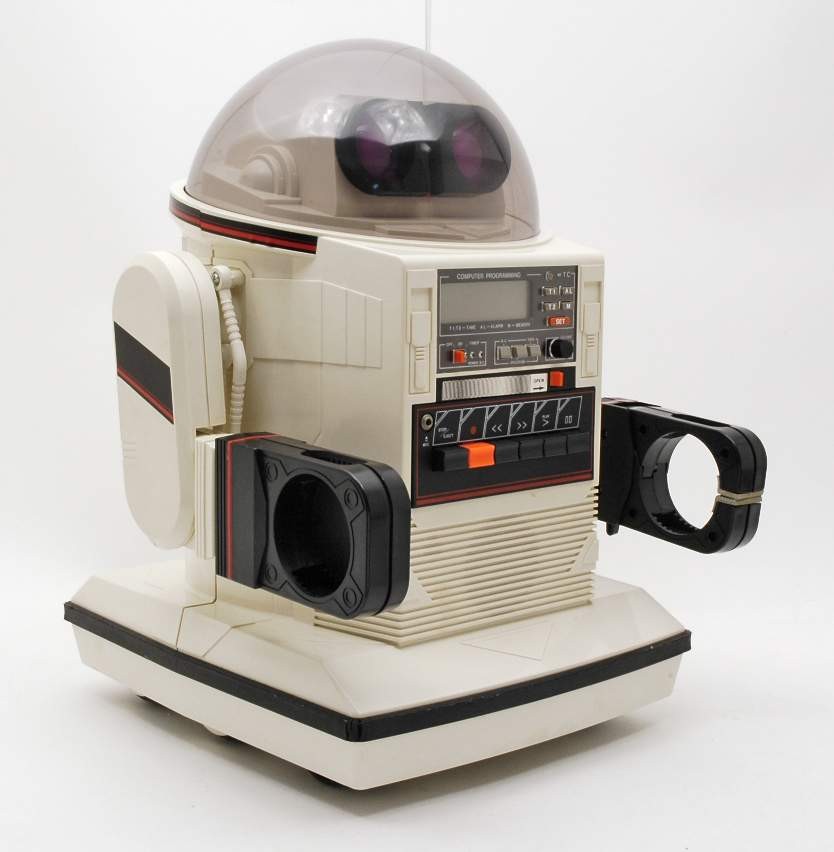
Here’s a personal admission: Back in the 80s, I was obsessed with winning the “TOMY Omnibot” robot in a local drinks company competition. It was the prize of all prizes - a personal robot, the kind of thing every kid dreamed about!
I remember buying drink after drink, hoping to collect that missing letter, imagining what it would be like to have my own personal robot! That desire, that obsession, stayed with me.
You surely know, nurses today are drowning in paperwork, running between patient rooms, and struggling to find time for actual patient care. But Israeli company Unlimited Robotics is about to turn that around with their robot Gary.
This AI robotic assistant does everything from restocking supplies to monitoring patient vitals, allowing medical staff to focus entirely on healing people, not managing logistics. Gary can even have conversations with patients, mop the floor, and sanitize surfaces.
Gary is EXACTLY how I imagined the prized OmniBot (minus a built-in cassette tape in his chest).
And - he’s already saving thousands of hours of administrative work. This is only the beginning. With each task Gary takes over, healthcare professionals gain more time for what matters most: providing care and saving lives.
Tomy Omnibot: The Drink-Serving Robot from 1985! It featured a
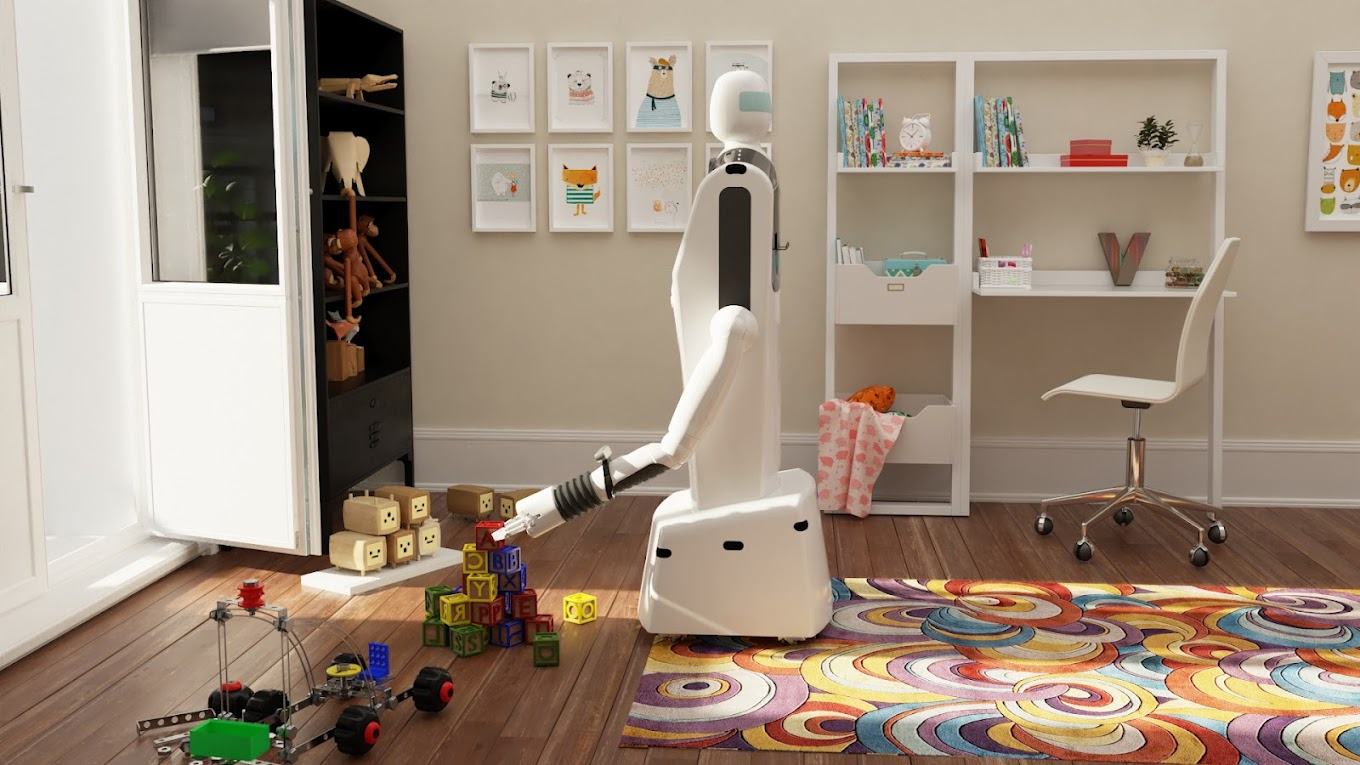 With each task Gary takes over, healthcare professionals gain more time for what matters most: providing care and saving lives.
Lifeward - Redefining Possibilities for Spinal Cord Injury Rehabilitation
While robots like Gary are bringing relief to overworked medical staff, Lifeward is helping people stand up for themselves, literally.
For millions living with spinal cord injuries, the dream of standing, walking, and climbing stairs feels impossibly distant. Remember the powerful exoskeletons from ‘Avatar’? Lifeward is turning that sci-fi dream into a reality-bringing exoskeletons to rehabilitation rather than warfare.
The ReWalk Exoskeleton is giving individuals with spinal cord injuries the power to walk again. Imagine being able to stand up, take a step, and even climb stairs, all with the support of a wearable robotic exoskeleton.
With advanced sensors, the ReWalk Exoskeleton responds to the slightest body movement, translating a lean forward into a step forward. It allows users to experience the rhythm of walking, regain independence, and reconnect with the world around them.
For many, traditional rehabilitation means accepting limits. The ReWalk Exoskeleton is about breaking through those limits and redefining what’s possible. Walking again means independence, freedom, and the chance to be at eye level with the world.
Lifeward is giving people their lives back, one step at a time.
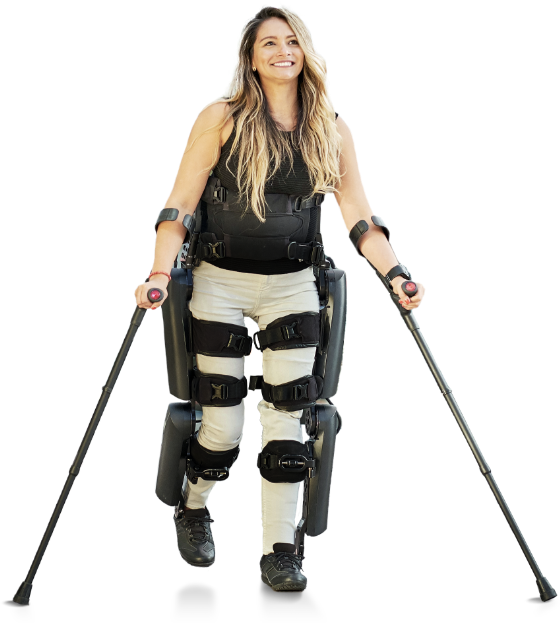 The ReWalk Exoskeleton is about Walking again: This means independence, freedom, and the chance to be at eye level with the world.
Beewise - Robotic Beekeeping for a Sustainable Future
Lifeward’s exoskeletons help people rise up; now, let’s shift focus to the revival of bee colonies suffering from major losses.
We’ve all heard the alarming reports: 40% of bee colonies collapse each year. That’s not only a bee problem, but a YOU and ME problem: 75% of our global crops depend on animal pollination.
But what if robotics could change that?
Israeli Beewise is transforming the world of beekeeping with its AI-powered beehives, reducing colony loss by an incredible 70% !
The secret? A fully automated hive that uses precision robotics and real-time monitoring to care for bees 24/7. Whether it’s adjusting temperature, distributing food, or addressing health issues, these robotic hives intervene at just the right moment, all without human input.
This level of care keeps bees healthier and allows them to pollinate more effectively.
For growers, this technology guarantees superior pollination, increased yield, and peace of mind. With over 250,000 hives already in action, Beewise is scaling its impact, saving bees, and safeguarding our global food supply. Incredible!
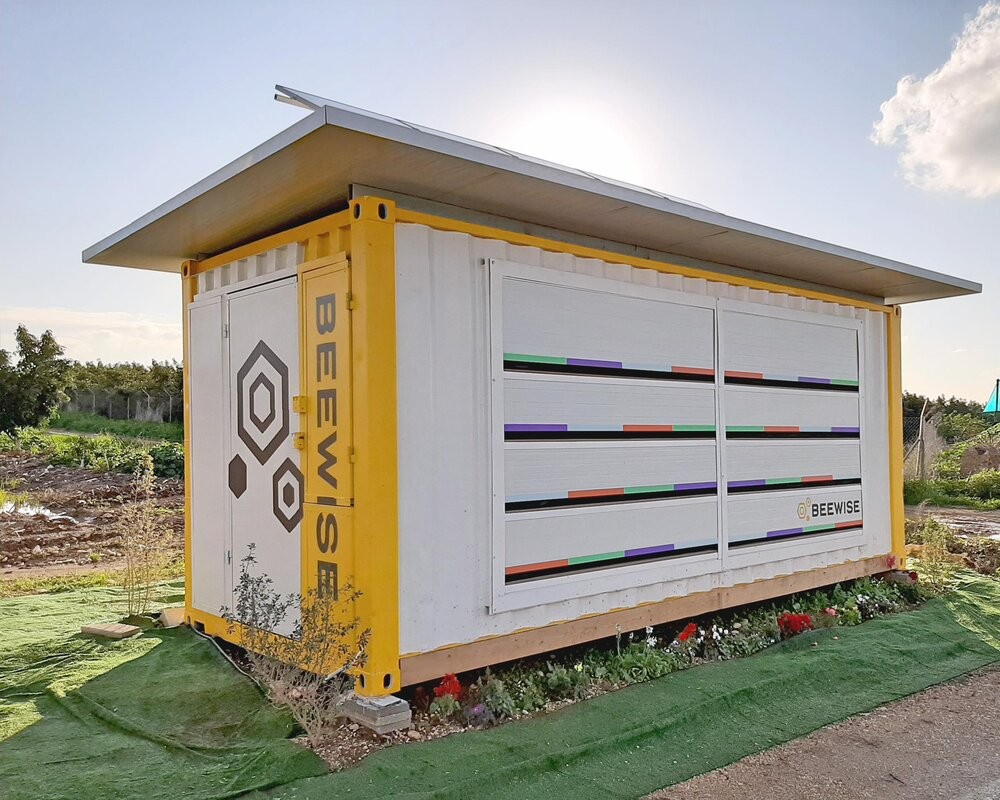 Whether it’s adjusting temperature, distributing food, or addressing health issues, these robotic hives intervene at just the right moment to save bees from extinction.
Growing up, I remember being both fascinated and terrified by robots. In some movies they were relentless, unstoppable, and utterly devoid of emotion. But then there was the TOMY Omnibot - my childhood dream. It wasn’t a destroyer; I imagined it as a friend, a helper, something that sparked my imagination and made me dream of a future where robots were on our side.
Today, robotics can be profoundly human - whether it’s giving nurses the freedom to care, helping people walk again, or saving the bees we depend on for our crops.
This is technology that uplifts, supports, and connects us, making life better in very real ways. It’s humanity’s spirit, ingenuity, and compassion driving us forward to a future where humans can truly thrive.
Originally published on LinkedIn.
New podcast
The Shift on YouTube
Conversations with the people building what comes next, before the future becomes obvious. Follow the show for new episodes as they land.
The Shift, in your inbox
Occasional essays on AI, cloud, and the systems shaping what comes next. Subscribe on LinkedIn — no spam, unfollow anytime.
Keep reading
Quantum Computing, Simplified
A Conversation with Dr. Yehuda Naveh, Co-founder and CTO of Classiq

Beyond Nvidia? The Future of AI Acceleration
For years, Nvidia has been the undisputed king of AI chips, soaring to a $3 trillion valuation and becoming synonymous with machine learning, data…

Beyond Flash: The Future of Non-Volatile Memory
A Conversation with Coby Hanoch, CEO of Weebit Nano