Dream → Print → Create
The gap between ideas and tangible things has always defined human progress. When Leonardo da Vinci sketched his visions, it took skilled craftsmen months…

The gap between ideas and tangible things has always defined human progress. When Leonardo da Vinci sketched his visions, it took skilled craftsmen months or years to turn them into reality. The tools of creation were slow, painstaking, and accessible to only a few.
Additive manufacturing is changing that story. With 3D printing, the time between an idea and its realization is shrinking dramatically. If you can think it, you can make it. A sketch transforms into a prototype, an idea into a product, a concept into something you can hold in your hands. The barriers of time, skill, and complexity are dissolving.
This week, we’re looking into the transformative world of 3D printing, where the impossible is becoming possible. Let’s explore how three Israeli companies are leading this revolution and redefining what it means to create.
XJet 3D - From Liquid Inks to Metal and Ceramic Objects
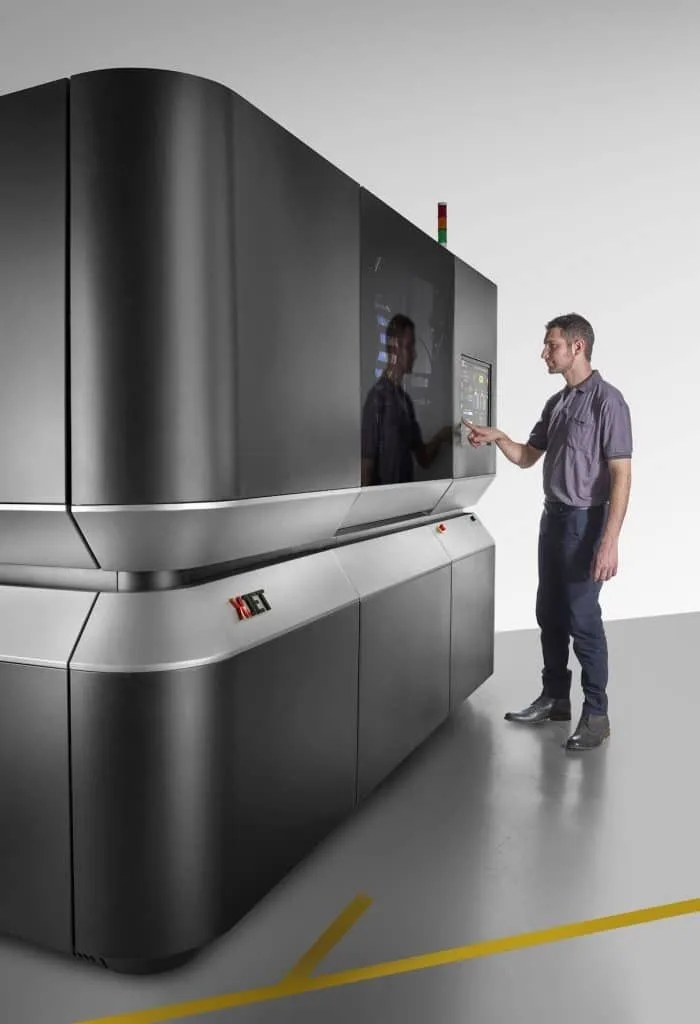
Remember Star Trek’s replicator? This future technology is almost here, thanks to XJet 3D.
This Israeli company has boldly gone where no tech has gone before, with a revolutionary 3D printing process that’s transforming how we create metal and ceramic parts.
Here’s what makes XJet the real deal:
- No messy, hazardous powders like conventional 3D metal printing.Instead, XJet uses liquid nanoparticle inks - microscopic metal or ceramic particles suspended in liquid, engineered down to the nanometer scale.
- The result is Layer-by-layer precision that creates fully dense parts, free from internal voids.And the finish? Smooth as 50 microns - that’s half the thickness of a piece of paper.
- Say goodbye to clunky support removal.XJet’s supports dissolve in water, so even complex geometries like internal channels emerge flawless and undamaged.
This means we can now produce intricate implants or surgical tools with perfectly smooth surfaces, essential for their functionality and biocompatibility. We can create lightweight, high-strength aircraft parts with complex internal geometries that traditional methods could never achieve.
The potential is endless. XJet is turning those sci-fi dreams of advanced manufacturing into reality.
ioTech - Making Impossible electronics
In electronics manufacturing, there have always been designs that felt just out of reach-too intricate, too complex, or simply labeled “impossible to make.”
Not anymore.
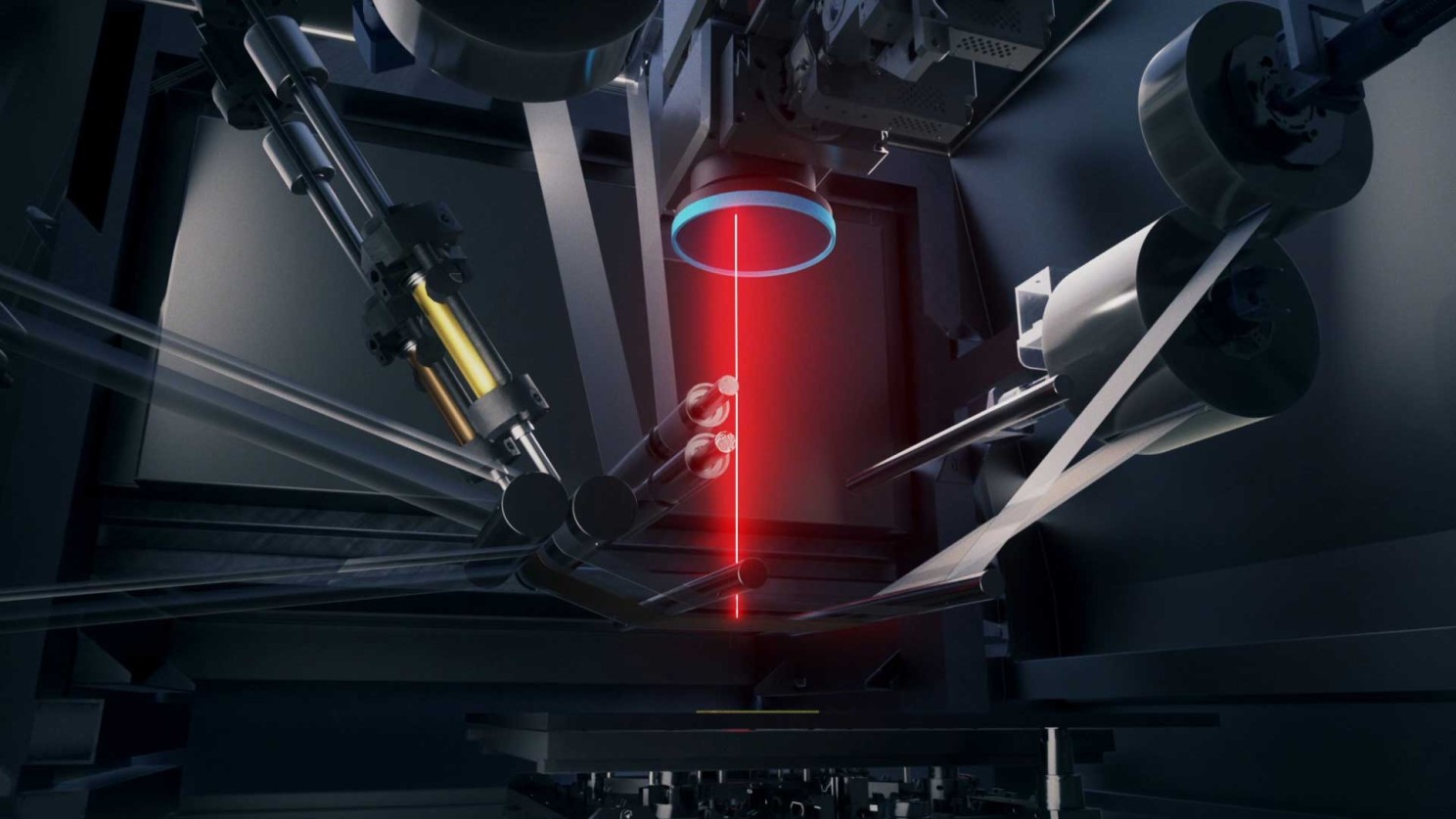
Enter ioTech, an Israeli pioneer that’s rewriting the rules of production with its laser-assisted 3D printing system.
Here’s what sets ioTech apart:
- It works with multiple materials-polymers, metals, ceramics, adhesives, and solder-all in one go.
- It’s fast, super precise, and doesn’t need masks or screens, which means prototypes and production can happen quicker than ever.
- It works on non-flat surfaces, opening up entirely new possibilities for electronics design.
Whether it’s semiconductor packaging, advanced PCBs, LED panels, defense systems, or e-mobility power devices, ioTech is breaking down the barriers to innovation. Their printers deliver incredible resolution-down to 20 microns-and high speed, all while being more sustainable than traditional, waste-heavy methods.
So, here’s the question: what could you create if complexity was no longer a limitation? Because with ioTech, the impossible is now within reach.
Massivit - Printing Big
Industry needs big parts, and it needs them fast. That’s not something traditional 3D printers are known for.
Or are they?
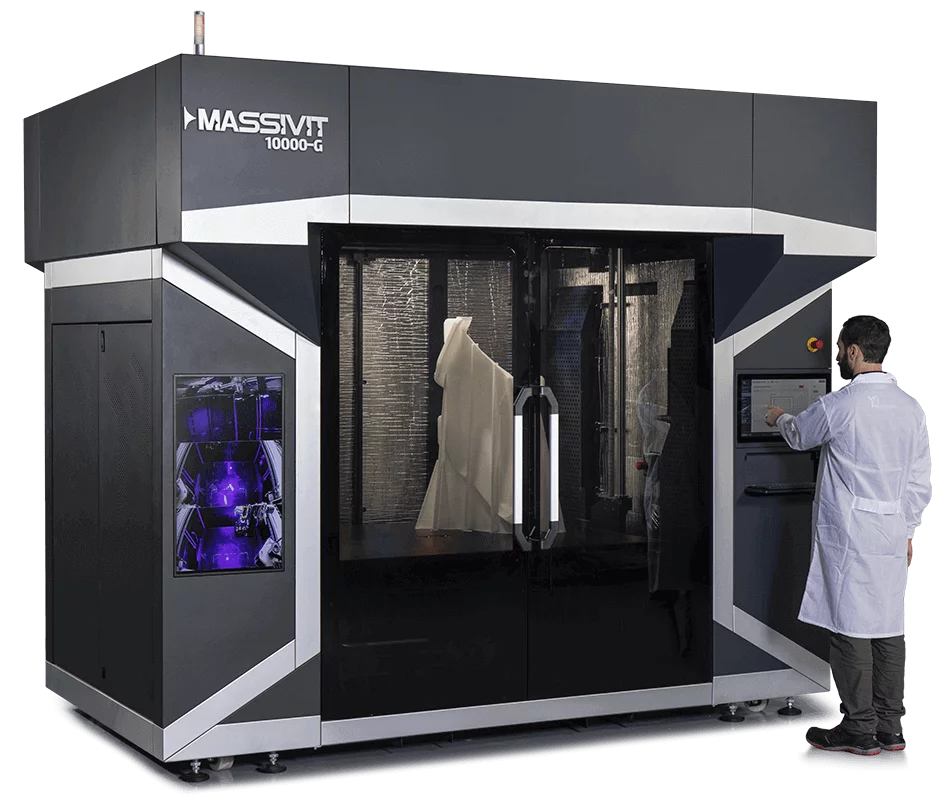
Meet Massivit 3D Printing: an Israeli company that’s changing the game. Their Massivit 10000 printer can produce huge components-up to 1.42 meters wide, 1.11 meters deep, and 1.5 meters tall-in just hours, not weeks. Think about the possibilities for industries like automotive, marine, and aerospace.
Now, here’s where it gets really interesting. Most 3D-printed parts have a weakness: they’re “anisotropic,” which is just a fancy way of saying they’re weaker in some directions, especially along the Z-axis, where layers are stacked. But Massivit tackles that head-on with their Cast-In-Motion (CIM) technology.
Here’s how it works: they print a hollow shell and then cast a strong epoxy-based material inside. The result is a part that’s strong and consistent in every direction. It’s reliable, durable, and ready to handle whatever you throw at it. Not only does this process make better parts, but it’s also faster and less wasteful than traditional methods. No complex tooling. No unnecessary material. Just big, strong parts ready to go.
Massivit is flipping the script on what 3D printing can do, and it’s giving industries a smarter, faster way to create.
Additive manufacturing is a paradigm shift. It’s about democratizing the means of production, giving creators - from hobbyists to industry leaders - the freedom to innovate without traditional constraints. It changes how we design, prototype, and build, bridging the gap between imagination and the physical world.
What will you create when the impossible becomes possible?
Originally published on LinkedIn.
New podcast
The Shift on YouTube
Conversations with the people building what comes next, before the future becomes obvious. Follow the show for new episodes as they land.
The Shift, in your inbox
Occasional essays on AI, cloud, and the systems shaping what comes next. Subscribe on LinkedIn — no spam, unfollow anytime.
Keep reading
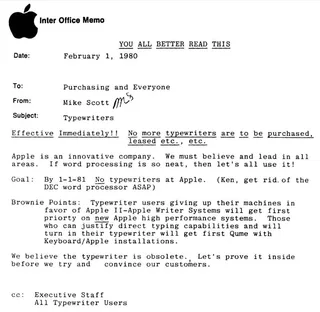
There's an Apple Memo From 1980 I Keep Returning To
Mike Scott banned typewriters company-wide and gave Apple a deadline to go all-in on word processing. Every tech company has some version of this gap between what it sells and how it operates.
Quantum Computing, Simplified
A Conversation with Dr. Yehuda Naveh, Co-founder and CTO of Classiq

Beyond Nvidia? The Future of AI Acceleration
For years, Nvidia has been the undisputed king of AI chips, soaring to a $3 trillion valuation and becoming synonymous with machine learning, data…